

Buying a Washing Machine in Black
Black appliances can complement both light and dark spaces and look great as part of an open plan design. There are a few rules to adhere to.
For instance, avoid mixing whites with towels, or wash delicate clothes in hot water. This could cause lint accumulation and fade colors over time. Don't forget to separate light and dark - it helps prevent fade and makes whites appear brighter.
Colour
The latest trend is washing machines with a darker finish. In the beginning, it was black refrigerators and ovens. They're stylish, elegant and extremely stylish with a design that can be bold or subtle, depending on the space.
A black washing machine is a great option for a modern home. It can even add drama to a room that has neutral or grey hues. It is also a great choice in traditional bathrooms or kitchens and can be a great match for dark wood cabinetry. Shannon Tweedie is the marketing manager at LG Electronics Australia for laundry appliances. She believes that a darker washing machine is a great alternative to white finishes.
A black washing machine will also be less likely to show stains or marks. This is due to the fact that the color absorbs light rather than reflects it, making it difficult for the stain to spread onto other clothes or even the machine itself.
A common issue that homeowners face with their washers is the appearance of black flecks, which can sometimes appear in the drain or on the fabric of your clothes. These black flakes could be caused by soap or fabric softener detergent residues that do not dissolve or drain during the wash cycle.
The best method to avoid this is to sort your laundry according to color. Also, wash whites in separate washing machines. Avoid mixing towels or other colours with woollens, as they need different temperatures. The best thing to do is to use the color setting for your laundry, which will wash your clothes in hot or cold water based on the type of clothes you're washing.
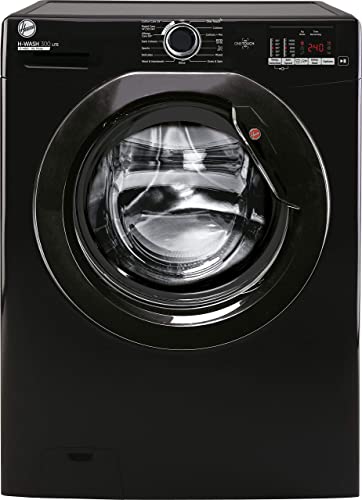
It is important to keep in mind that a washing machine with a black color can be more expensive than its white counterpart. It could be because the black washers are more difficult to find or because manufacturers charge more for the style of a black washer. It is important to consider the pros and cons prior to buying a black washing machine to determine if it's suitable for you.
Design
Modern washing machines come with a variety of options for different types of laundry. Some washing machines have settings for dark clothes or delicates wool, synthetics towels and more. This is ideal for households with different wash loads and requirements. This makes it easy to find the best machine for your needs.
Certain new washing machines have a feature called AddWash which allows you to add a garment to wash at any time during the cycle. This feature is helpful in the event that you have forgotten to add something to your normal load or if there's an extra towel or shirt that you require to wash quickly.
It can also be beneficial to have various wash programs particularly if you have a lot of laundry to wash. There are settings for hot and cold water, mixed wash, quick wash delicates and the care of creases.
Another thing to think about when selecting a washer is whether you'd like front loading or a top loader. A lot of people opt for front loaders since they don't have to bend more when loading or unloading. Top loaders are simpler to clean as they don't require reaching the inside as far. However, they're not as popular as front-loaders.
Capacity
The size of your washing machine will determine how much washing you can do at one time. For example, if you have to wash a significant quantity of clothing at once, it might be worth investing in an extra-large model. When you are choosing a washing machine you might also consider its energy efficiency. Some models use more electricity.
Washing machines are becoming more eco friendly, with less water and gentler detergents than the older models. But, this may mean that the interior of your washer is not as clean as it used to be. This can result in the accumulation of black flakes as well as other unpleasant things such as mould, mildew and other unpleasant nasties.
Often, these black flakes are usually caused by soap scum and fabric softener residues. These can be found in hotspots like the space between the inner and outer tub, beneath the agitator or pulsator and around the detergent dispenser. These areas must be kept clean and free of soap scale and other harmful substances such as lint, mould, fabric softener and lint.
If you are concerned about the appearance of your washer, you can clean your washer with an aqueous mixture of bicarbonate soda and distilled vinegar. Pour one cup of each in your washer and run the cold cycle. Then, wipe the inside of the washer using a microfibre towel and a mould-cleaning solution containing bleach. Make sure you clean all the folds.
Go through the manual for your machine for any tips and tricks you can use to keep it operating like new. Be sure to keep the main door and the drawer for detergent open after each wash cycle, as this will allow air to circulate and dry the surfaces. It's also an excellent idea to regularly clean your washer with a biocidal detergent to keep the internal components as healthy and clean as possible.
Energy efficiency
Be aware of the energy efficiency of the washing machine prior to making a purchase. A higher efficiency rating means it uses less electricity which is beneficial for the environment as well as your electricity bills. The most straightforward method to determine a washing machine's power consumption is to take your last electricity bill and then multiply the total amount of kilowatt-hours by your washing machine's wattage.
The energy consumption of a washing machines is highest when it is using hot water. The reason behind this is that the majority of electricity used during the washing process comes from heating water. If you want to save energy when washing try to wash as many full loads as possible.
Look at www.washersanddryers.co.uk of the appliance to determine the kWh figure. This is the amount of energy consumption of the appliance during its most efficient wash cycle. This is usually the eco-wash cycle at either 40 or 60% degree.
Digital models that are more expensive typically offer a greater variety of cycles. There are specific cycles for delicate fabrics and sportswear and quick washes for mildly dirty clothing that don't require a full cycle. There's also a permanent press for fabrics that do not require a lot heat or moisture. A sterilize setting is available to deal with mildewed items.
Many of these settings can help you save energy when washing your clothes. You can also reduce the amount of washing you go through by sorting your laundry based on the type of fabric and wearing them repeatedly before washing them once more. This will help you to identify any areas that require a thorough clean and save time and money by running the washing machine. If you have to run a full load of laundry, consider using the 'eco-wash' cycle or a cold wash option. This will consume less power than a hot cycle, but still provide a clean and thorough result. If you notice black bits getting stuck in your washing machine, it could be due to an accumulation of mildew or mold. To remove this, spray a little bleach-based mold remover on a microfibre towel, then clean the seals around the washer.